June 22, 2026
Managing utility expenses remains a primary concern for property owners today. Maintaining a comfortable climate indoors requires enormous power, and inefficient systems draw excessive electricity or fuel during extreme weather months. Residents seek effective solutions to mitigate these rising costs without sacrificing indoor comfort. Regional professionals provide valuable assistance in this endeavor by optimizing residential equipment. Proper climate management dictates overall household expenditures and environmental impact.
Contacting experts in the region offers a strategic approach to expense management. Diagnosing hidden problems and fine-tuning equipment ensures climate control systems operate without wasted effort throughout the changing seasons. Understanding the mechanics of indoor temperature regulation sheds light on potential savings for budget-conscious residents. Homeowners utilizing local HVAC companies discover sustainable ways to lower monthly statements while maintaining peak interior environments year-round.
Maintaining Equipment for Optimal Performance
Regular upkeep serves as the foundation of efficient climate control for any residential property. Dust and debris accumulate within ductwork and vital internal components over time through everyday usage. This buildup restricts airflow, forcing the machinery to work with more effort than designed. Increased effort translates into higher power consumption and escalated monthly utility statements. Technicians perform thorough cleanings to restore smooth operation and reduce this unnecessary mechanical strain.
Moving parts within air conditioners and furnaces require proper lubrication to function with minimal resistance. Friction between components causes systems to draw extra electricity and accelerates wear and tear. Specialists apply required lubricants to motors and fans, reducing electrical resistance during operation. This attention to detail guarantees the machinery operates at peak efficiency, minimizing overall energy consumption and protecting the longevity of the appliance.
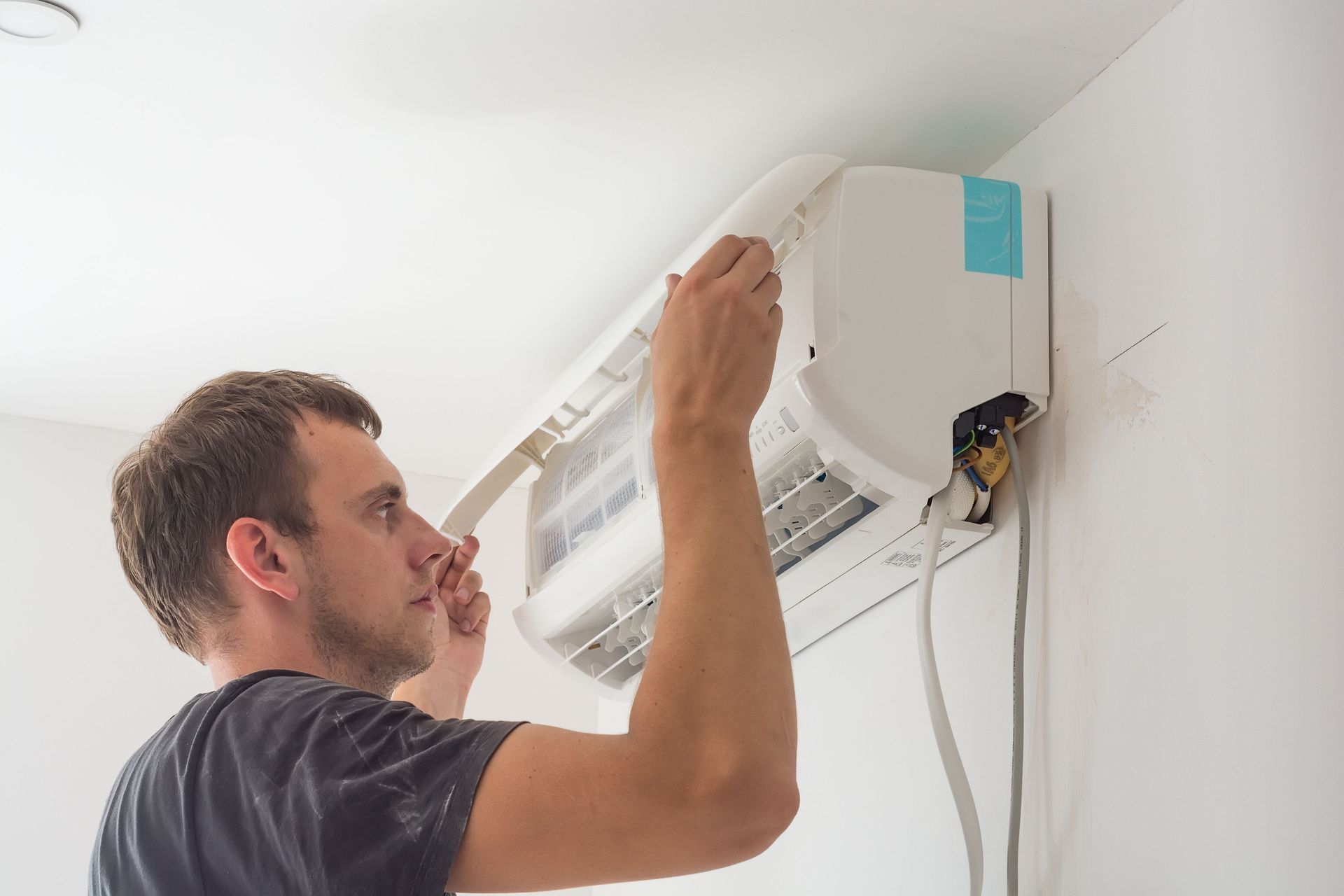
Filter replacement remains another vital aspect of ongoing system maintenance. Clogged filters obstruct air passage, demanding extreme effort from the blower motor to push conditioned air into living spaces. Professionals check and replace these barriers to maintain unrestricted airflow throughout the ductwork network. Clean filters allow the equipment to condition the air with minimal exertion. Residents working with local HVAC companies appreciate this simple task for immediate efficiency gains.
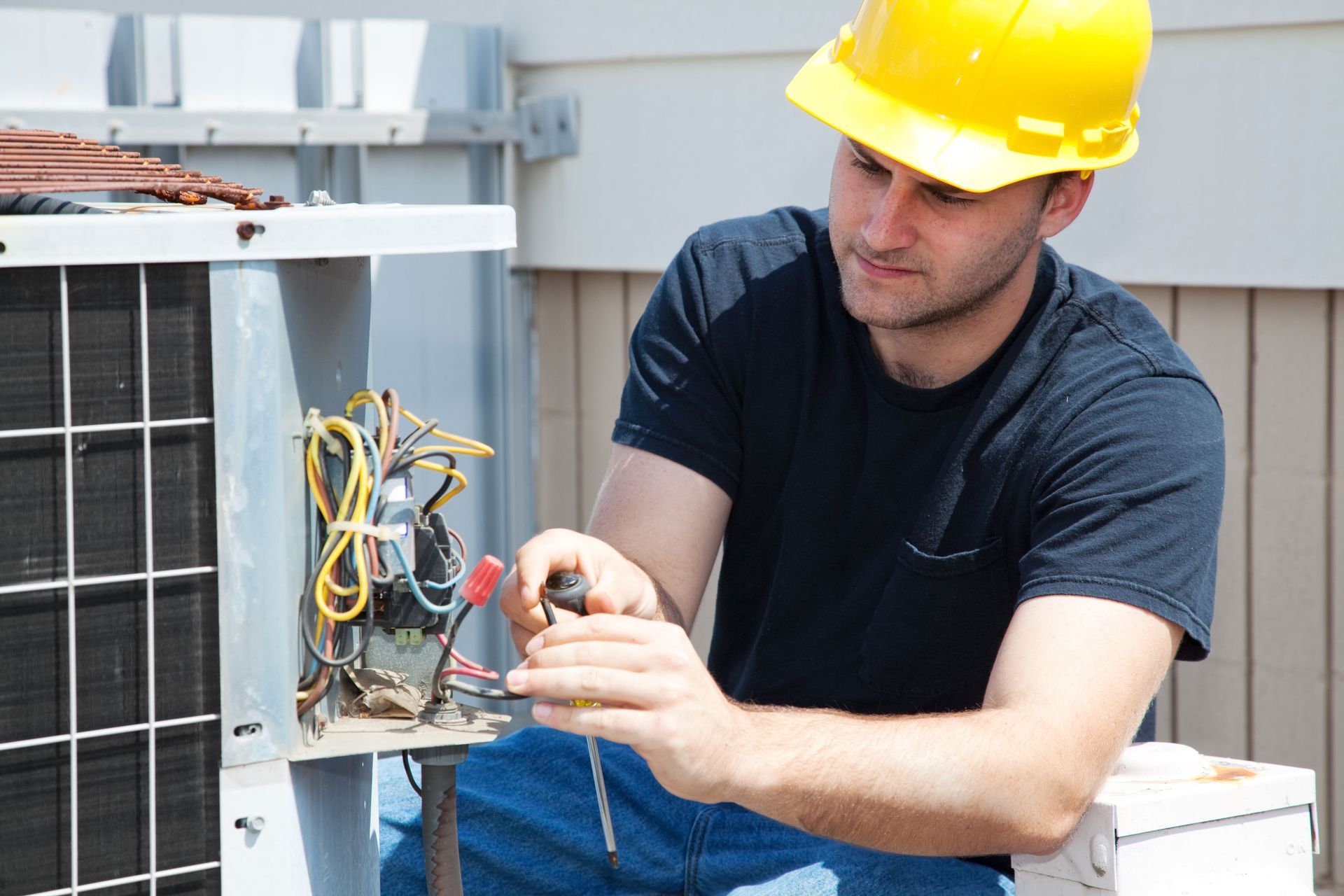
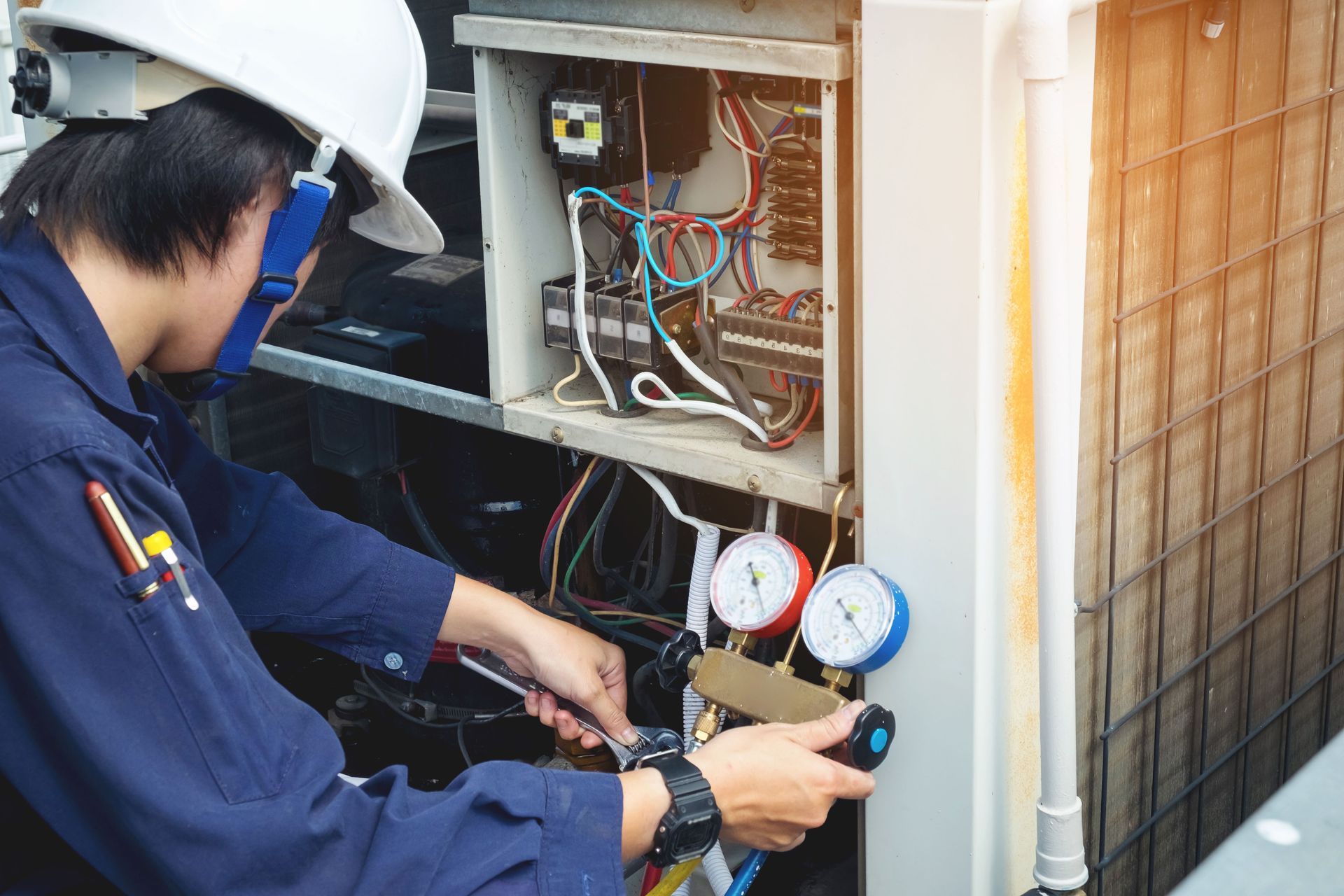
Electrical connections demand regular inspection to prevent power loss and system failures. Loose wires or faulty relays create resistance, which consumes extra electricity and poses safety risks to the residence. Technicians tighten connections and measure voltage to ensure the electrical draw matches manufacturer specifications for safe operation. Stable power delivery prevents the system from wasting energy due to electrical inefficiencies, keeping monthly overhead expenses as low as possible.
Identifying Inefficiencies for Reduced Waste
Many residences harbor hidden leaks within their ductwork networks. Conditioned air escaping into attics or crawlspaces forces the main unit to run extended cycles to compensate for the lost volume. Technicians utilize specialized tools to locate these hidden breaches. Sealing leaks guarantees that all generated warm or cool air reaches the intended living spaces, reducing overall system run times and eliminating wasted utility resources.
Insulation degradation around refrigerant lines also causes immense energy loss for unaware property owners. Bare pipes allow heat exchange with the outside environment before the air reaches the interior of the home. Experts inspect these lines and apply fresh insulation materials where necessary to protect the thermal transfer process. Preserving the temperature of the refrigerant prevents the compressor from working overtime to compensate for lost thermal energy.
According to the Department of Energy, heating and cooling are responsible for 43% of the average home utility bill. Given this substantial portion, identifying minor faults yields significant financial relief. Technicians analyze the climate control infrastructure to spot specific issues that drain power. Addressing small inefficiencies reduces the total load on the household electrical grid, making a noticeable difference in monthly expenses.
Outdated components within older systems drag down overall efficiency despite other maintenance efforts. Worn belts or failing capacitors cause motors to draw elevated amperage levels just to maintain baseline functionality. By testing individual components, local HVAC companies pinpoint specific areas of energy waste hidden deep within the machinery. Replacing these specific faulty parts restores the system to a more efficient state, lowering subsequent power bills without requiring a complete unit replacement.
Recommending Upgrades for Better Conservation
Advancements in climate control technology offer substantial efficiency improvements over legacy models. Modern units feature variable-speed motors and advanced compressors that adjust output based on real-time demand within the residence. Basic legacy models run at full capacity regardless of the actual requirement, consuming maximum power during every cycle. Technicians evaluate existing equipment to determine if upgrading to modern technology makes financial sense for the property owner looking to reduce utility waste.
Proper equipment sizing remains paramount for long-term energy conservation. Oversized units cycle on and off in rapid succession, a process known as short-cycling, which consumes massive amounts of electricity upon startup. Undersized units run without stopping, struggling to condition the space while pulling a continuous stream of power. Specialists perform detailed load calculations to recommend systems matched to the specific dimensions and insulation levels of the residence.
The integration of smart climate technology provides unprecedented control over household energy usage on a daily basis. Programmable devices learn occupant habits and adjust temperatures when the house sits empty, preventing wasted conditioning. Professionals install and configure these modern interfaces to maximize conservation efforts without requiring manual input. Reputable local HVAC companies guide homeowners in selecting interfaces that align with their daily schedules and long-term efficiency goals.
Zoning systems present another avenue for significant power reduction. Rather than conditioning an entire house, zoning allows residents to heat or cool specific occupied rooms based on usage patterns. Technicians install dampers within the ductwork and connect them to independent sensors for targeted climate management. This targeted approach prevents the waste of electricity on empty guest rooms or unused living areas, shrinking the overall utility footprint.
Calibrating Thermostats for Precise Regulation
A misaligned sensor misreads the ambient temperature of a room, causing significant operational flaws. This inaccuracy causes the heating or cooling unit to run longer than desired or engage when conditioning is unnecessary. Technicians test sensors against calibrated thermometers to ensure exact readings match the true indoor environment. Accurate sensors prevent the system from overworking and wasting electricity to reach a false temperature goal set by faulty hardware.
The physical location of the control unit impacts overall system efficiency and power consumption. Devices placed near windows, exterior doors, or heat-generating appliances record skewed temperatures due to drafts or localized heat sources. Technicians employed by local HVAC companies assess the placement of these units and relocate them to central, neutral areas. Proper placement guarantees the system responds to the true average temperature of the primary living space.
Wiring issues between the control interface and the main equipment cause communication delays that disrupt operational efficiency. These delays lead to inefficient cycling and extended run times as the system awaits clear commands. Specialists inspect the low-voltage wires connecting these components to verify a clear and uninterrupted signal. Solid communication ensures the compressor and blower engage and disengage on precise schedules, optimizing power usage and preventing wasted run time.
Battery degradation in wireless or digital units disrupts everyday climate management. Weak batteries cause intermittent signaling, forcing the system into erratic operating patterns that consume unnecessary power. Technicians replace power cells during routine visits to prevent these disruptions. A steady power supply to the control unit maintains consistent and efficient regulation of the indoor environment, keeping utility usage predictable and stable.
Residents seeking to lower their monthly statements find immense value in professional climate control services. Efficient systems provide consistent comfort while drawing minimal power from the utility grid. Homeowners partnering with local HVAC companies achieve sustainable expense reduction. Prioritizing system efficiency benefits the household budget and the broader environmental landscape by reducing overall residential power consumption for the long term. If you're ready to lower your utility bills, contact Chad's Climate Control Heating & Air for a comprehensive system evaluation. As one of the region's dedicated local HVAC companies, our team stands ready to optimize residential equipment for maximum efficiency.