September 11, 2026
Your home’s heating, ventilation, and air conditioning system works quietly behind the scenes to maintain a comfortable indoor environment year-round. Because these systems are largely hidden within mechanical closets, basements, or attics, many property owners give little thought to their operational health until a sudden breakdown occurs on a sweltering summer afternoon or freezing winter night. Scheduling regular professional maintenance is the single most effective way to ensure consistent climate control, extend equipment lifespan, and keep monthly utility expenses manageable. Routine checkups also help maintain manufacturer warranties that often require documented professional care to remain valid.
Postponing routine checks often leads to unexpected mechanical failures and expensive emergency repairs. According to Industry Research, air conditioning units represent approximately 54% of all HVAC repair service requests. This high percentage emphasizes how much strain cooling equipment experiences during peak operating months and why proactive tune-ups are essential for preventing mid-season breakdowns. Booking a certified technician for a comprehensive tune-up keeps every component running smoothly while identifying minor wear before it escalates into a catastrophic system failure. Booking routine HVAC service provides complete peace of mind, knowing your system is fully prepared to handle extreme seasonal weather.
Performing Comprehensive System Inspections and Visual Diagnostics
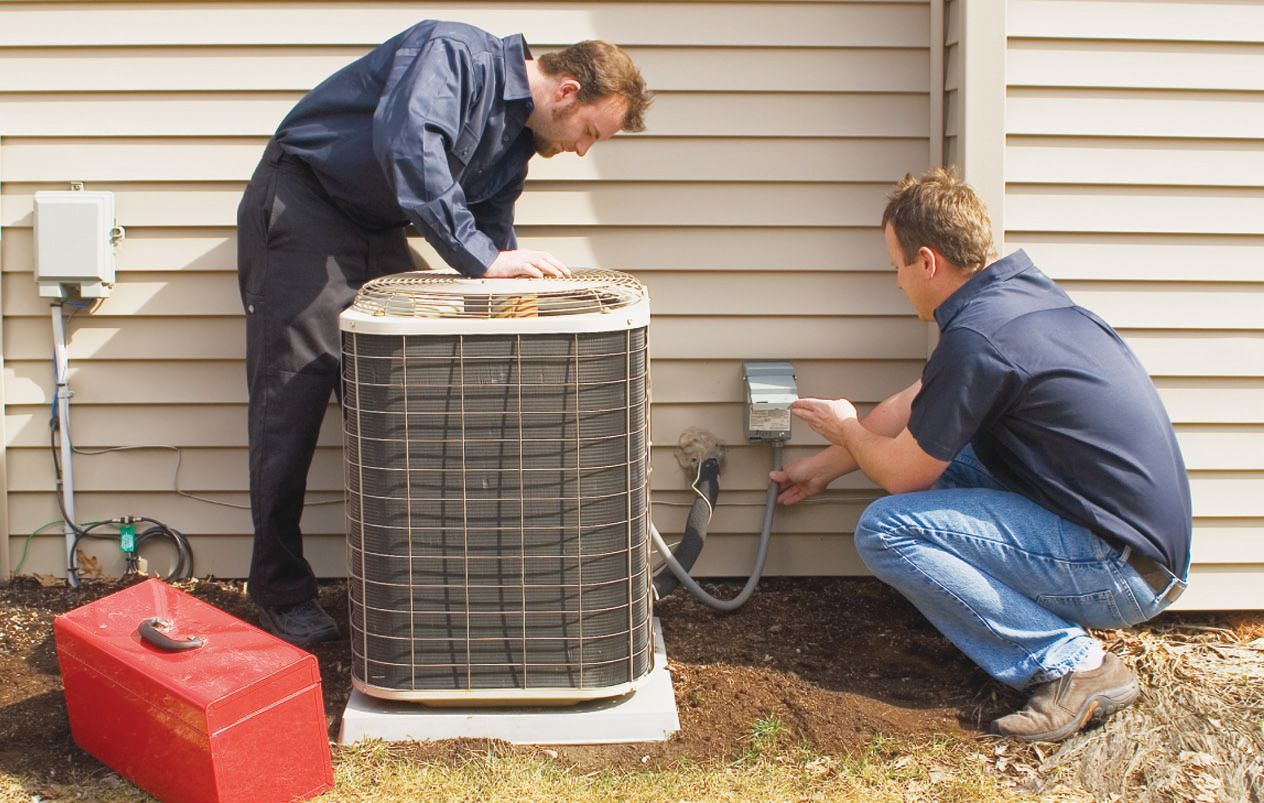
A standard maintenance appointment begins with a thorough visual and mechanical inspection of the entire heating and cooling assembly. The technician examines the indoor air handler, outdoor condensing unit, duct connections, and thermostat controls to assess general operational readiness. Checking for visible rust, loose wiring connections, oil leaks around the compressor, or signs of pest activity helps the specialist gauge overall system health.
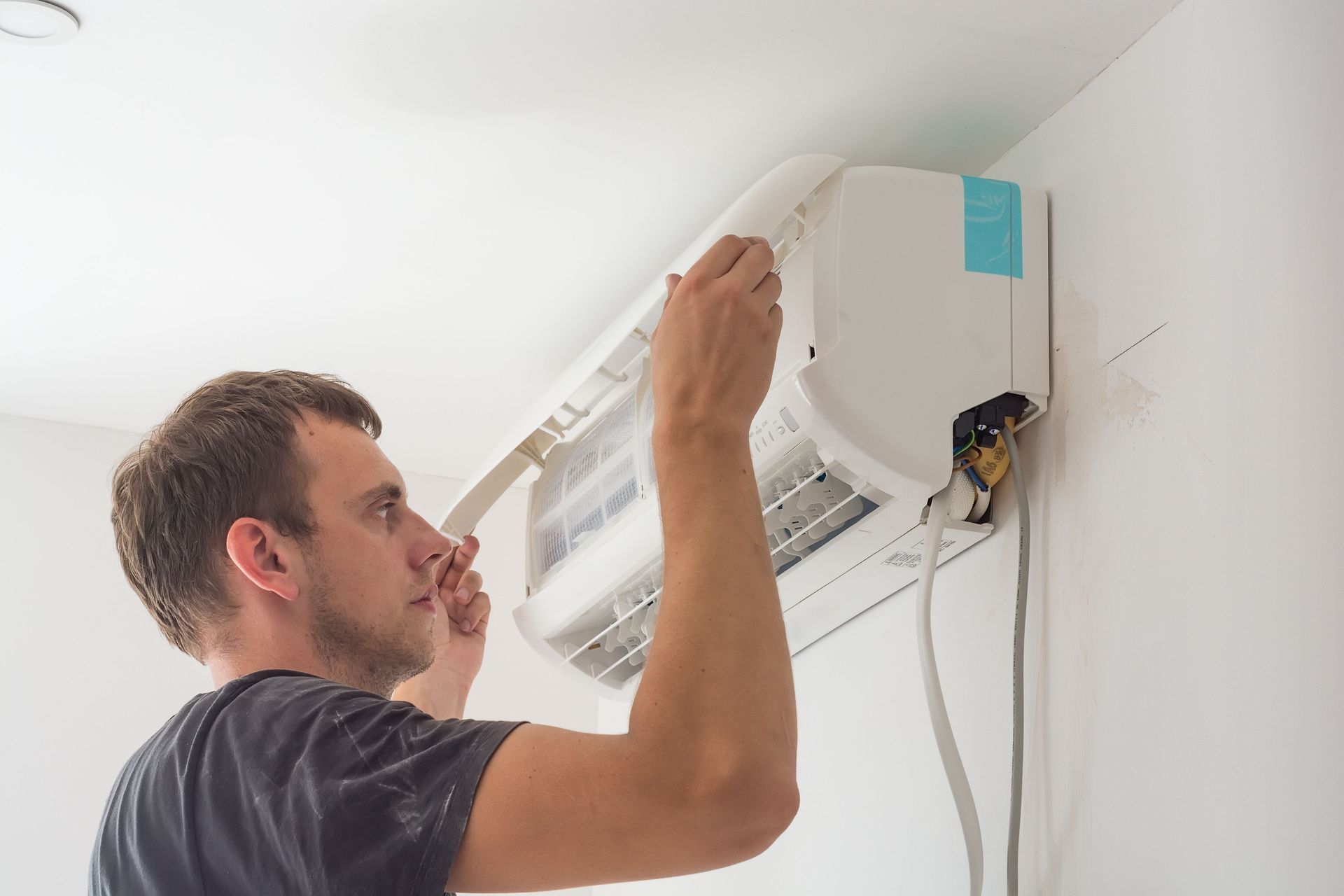
During this diagnostic phase, the technician also inspects the condition of air filters and blower components. Clogged or improperly sized filters restrict airflow, forcing the blower motor to work harder and increasing electrical consumption. Technicians also check ductwork connections near the air handler to ensure loose seams are not leaking conditioned air into unheated spaces. Identifying restricted airflow early prevents the evaporator coil from freezing over and reduces mechanical strain on internal motors. Scheduling regular HVAC service ensures that your system receives thorough visual checks that uncover hidden operational hazards before they disrupt your indoor comfort.
Cleaning Evaporator and Condenser Coils for Optimal Heat Transfer
The efficiency of any air conditioning or heat pump system relies heavily on clean heat-exchange coils. Over months of continuous operation, the outdoor condenser coil accumulates dirt, leaves, grass clippings, and airborne debris, while the indoor evaporator coil can collect dust and organic grime. When coils are caked in dirt, they act as an insulating blanket, preventing the system from absorbing indoor heat or releasing it outside efficiently.
During a routine tune-up, the technician uses specialized coil cleaners and soft brushes to remove built-up grime without damaging delicate aluminum fins. Straightening bent coil fins with a fin comb restores proper airflow across the heat-exchange surface. This vital cleaning process restores original cooling capacity and prevents the compressor from running continuously under dangerous head pressure. Investing in professional HVAC service guarantees that both coils remain clean, allowing your equipment to cool your home quickly and efficiently.
Checking Refrigerant Levels and Inspecting Closed Loops
Refrigerant is the vital fluid that absorbs heat from indoor air and transfers it outdoors. In a perfectly operating closed-loop system, refrigerant is never consumed or worn out over time. If your system is low on refrigerant, it indicates an active leak within the copper tubing, valve stems, or coil connections. Operating a system with inadequate refrigerant causes reduced cooling output, longer run cycles, elevated electricity bills, and severe damage to the compressor motor.
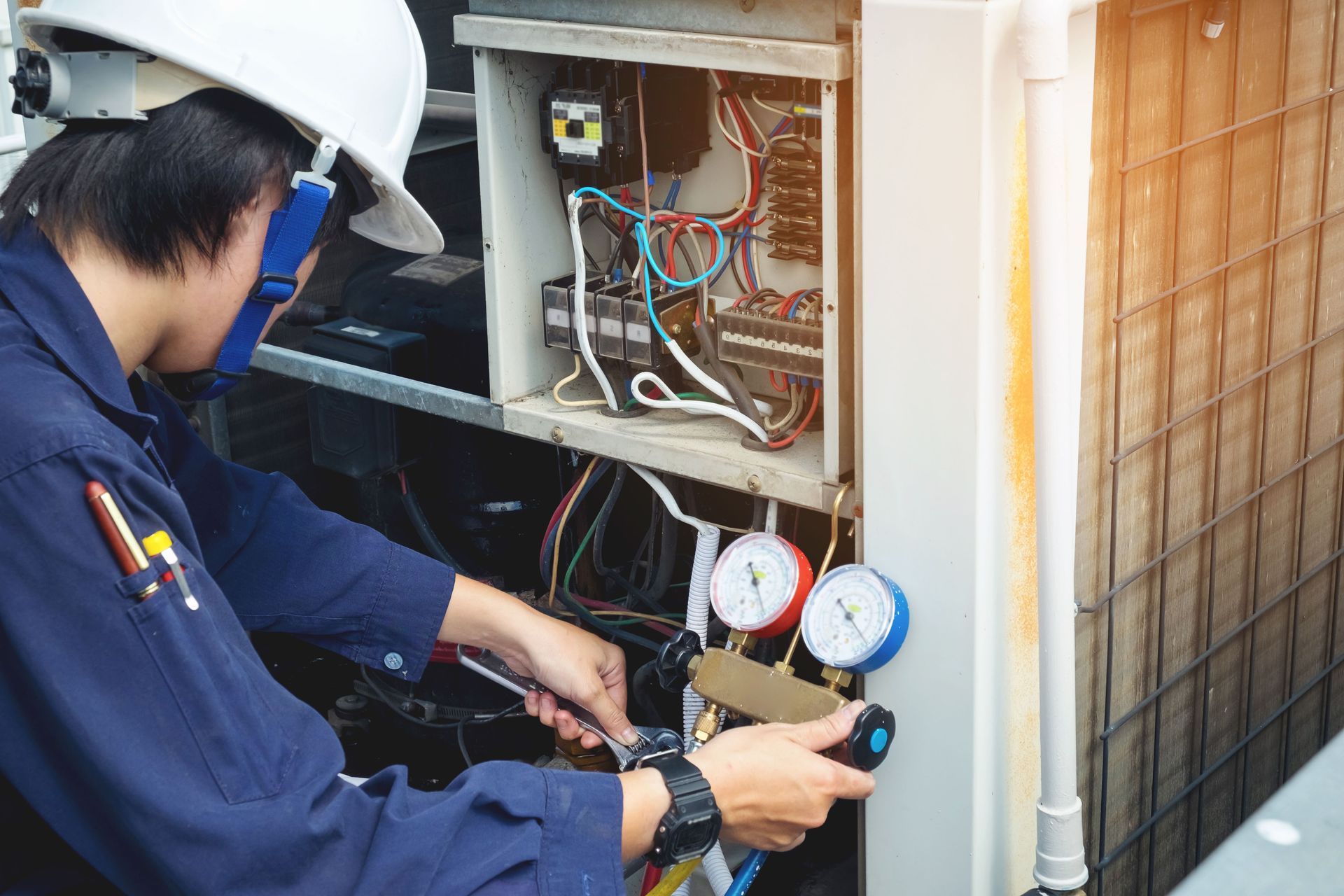
Technicians connect digital manifold gauges to measure operating pressures and calculate exact subcooling and superheat levels. These precise measurements reveal whether the system is charged according to manufacturer specifications. If a pressure drop indicates a leak, the technician can locate the breach using electronic leak detectors or ultraviolet dyes. Routine HVAC service includes precise pressure testing to preserve proper refrigerant charge and protect your compressor from premature mechanical failure.
Inspecting Electrical Components and Testing Safety Controls
Modern climate control systems rely on complex electrical networks, high-voltage capacitors, contactors, relays, and circuit boards to function safely. Over time, vibration, heat, and electrical surges can loosen terminal screws, pit contact points, and weaken capacitors. Faulty electrical components are a leading cause of system start-up failures, blown fuses, and dangerous electrical shorts.
A qualified technician tests electrical components using a multimeter to measure voltage, amperage draw, and capacitance levels against factory thresholds. Replacing a weak start-capacitor during a routine visit prevents the compressor or fan motor from stalling during hot weather. Technicians also test safety limit switches, pressure sensors, and smoke detectors to verify that the system will shut down safely during an emergency. Scheduling proactive HVAC service eliminates electrical hazards, protecting your home against potential electrical fires and sudden system lockouts.
Cleaning Condensate Drain Lines and Preventing Water Damage
As an air conditioner or heat pump cools your home, it extracts significant amounts of humidity from the air. This moisture condenses on the cold evaporator coil and drips into a drain pan before flowing out of your home through a plastic condensate line. Over time, algae, mold, dust, and sludge can accumulate inside the drain line, creating a stubborn blockage that causes water to overflow into your home.
Unchecked condensate overflows cause severe water damage to ceilings, drywall, subflooring, and nearby personal belongings, while promoting indoor mold growth. Installing inline cleanout ports allows technicians to flush the drain line more effectively during seasonal visits. Technicians clear the drain line using compressed air or suction pumps, flush the tray with anti-microbial treatments, and inspect the emergency float switch to ensure it cuts power to the unit if water levels rise. Dependable HVAC service protects your living space from costly water damage by keeping your condensate drainage system completely clear and free-flowing.
Lubricating Moving Parts and Calibrating Thermostat Accuracy
Friction is one of the most persistent enemies of mechanical equipment. Motors, bearings, and blower wheels require smooth movement to operate quietly and efficiently. During a standard maintenance visit, the technician lubricates non-sealed motor bearings and inspects drive belts for cracking, fraying, or improper tension. Reducing mechanical resistance lowers operating noise and prevents electric motors from overheating.
The technician also verifies the calibration and placement of your home thermostat. A miscalibrated thermostat leads to inaccurate temperature readings, causing the system to short-cycle or run longer than necessary. Testing control signals and updating system firmware ensures your thermostat communicates accurately with the heating and cooling equipment. Checking thermostat placement ensures nearby draft sources like windows or doors do not trigger false temperature readings. Partnering with certified specialists for routine HVAC service keeps all moving parts operating smoothly and ensures your thermostat delivers precise climate control.
Securing Long-Term Performance and Indoor Air Quality
Consistent maintenance is an investment that pays off through lower monthly energy bills, improved indoor air quality, and extended equipment longevity. A clean, well-calibrated system consumes significantly less electricity, helping you save money throughout peak heating and cooling seasons. Furthermore, keeping internal components free from dust and biological growth ensures that the air circulating through your living spaces remains fresh, clean, and healthy.
Taking a proactive approach to equipment care allows you to address minor mechanical wear before it transforms into a major, unexpected expense. Whether preparing your system for summer heat waves or winter freezes, professional tune-ups ensure your equipment operates safely and reliably. Contact Chad's Climate Control Heating & Air today to schedule your comprehensive HVAC service and keep your home perfectly comfortable all year round!